
This guide is designed to empower you with practical knowledge. We will cover everything from the basics to spotting early warning signs. Many common issues can be avoided with regular maintenance and good habits.
Credible source about septic pumping

This page about septic pumping

Click here about septic pumping
We will also discuss when it’s time to call the professionals at Septic Services of LA. Our goal is to help you preserve your investment and avoid high repair bills. Let’s begin on the path to confident ownership.
- Your wastewater system is essential for homes that aren’t connected to city sewer lines.
- Proper maintenance is key to preventing most common issues.
- Recognizing early warning signs can save you from major headaches.
- Understanding how it operates is the first step toward proper care.
- This guide shares practical advice, from DIY steps to knowing when to call a pro.
- Taking proactive steps can extend the life of your system and save money.
- Septic Services of LA is a trusted resource for professional assistance.
How Septic Systems Work
Understanding the natural biological process that handles your household wastewater can prevent many common issues. This underground treatment setup operates through straightforward but effective principles that nature provides.
Every bit of wastewater from your home moves through pipes into a buried container. This includes water from toilets, showers, sinks, and washing machines.
Inside this container, helpful bacteria go to work breaking down solid materials. Heavier particles settle at the bottom while lighter materials like oils float to the top.
The middle layer contains treated liquid that is safe for the environment. This clear effluent then moves to the drainage area through special pipes.
Your complete setup has four core parts: the pipe from your house, the treatment container itself, the pipe to the dispersal area, and the field with perforated pipes. Each component plays a vital role in the process.
When it’s functioning correctly, this natural system efficiently manages household sewage. Knowing how it functions helps you spot when something isn’t right.
Recognizing Common Septic Tank Problems
Spotting trouble early with your underground treatment system can save you significant stress. Learning to recognize common septic tank problems lets you act before they become costly emergencies. Keeping an eye on your property can reveal valuable clues.
Slow-draining water in sinks, showers, and toilets often serves as the first warning. This indicates possible blockages in the pipes or that your system is nearing capacity. Avoid brushing off these first signs.
Unpleasant odors around your yard or from drains signal that beneficial bacteria aren’t working effectively. The characteristic sewage smell means waste isn’t breaking down properly. This calls for quick attention.
Look out for standing water or damp patches near the system area. These wet patches suggest the drainage field isn’t absorbing liquid correctly. Similarly, unusually green grass over the tank area indicates nutrient leakage.
Gurgling noises in plumbing can point to clogs or drainage issues. If several signs show up together, contact Septic Services of LA for a professional inspection. Early detection keeps small issues from becoming major failures.
In-Depth Look at Specific Septic Issues
Several distinct issues can affect the performance and longevity of your property’s wastewater treatment setup. Even minor ground shifts can create pressure that cracks container walls. These fractures may lead to backups and require more frequent servicing.
Vegetation near the system is another frequent issue. Roots from trees and shrubs can slowly penetrate pipes and walls over time. This damage allows liquid to escape while letting groundwater flow in.
Inside parts like baffles and dip pipes play a crucial role in separating waste. When these barriers break or move, solid materials can enter the drainage area. This often results in clogged systems and household backups.
Vehicle traffic over unmarked systems can cause crushing damage. In unusual situations, heavy groundwater pressure may lift the unit upward. Older units without modern features are particularly vulnerable to these complications.
Correct installation that follows local regulations is essential to avoid legal issues. Many of these specific situations require professional assessment from experienced companies like Septic Services of LA.
Septic Maintenance And Routine Care
Smart household habits plus professional service keep your system healthy. The most common cause of failure is also one of the easiest to prevent: inconsistent maintenance.
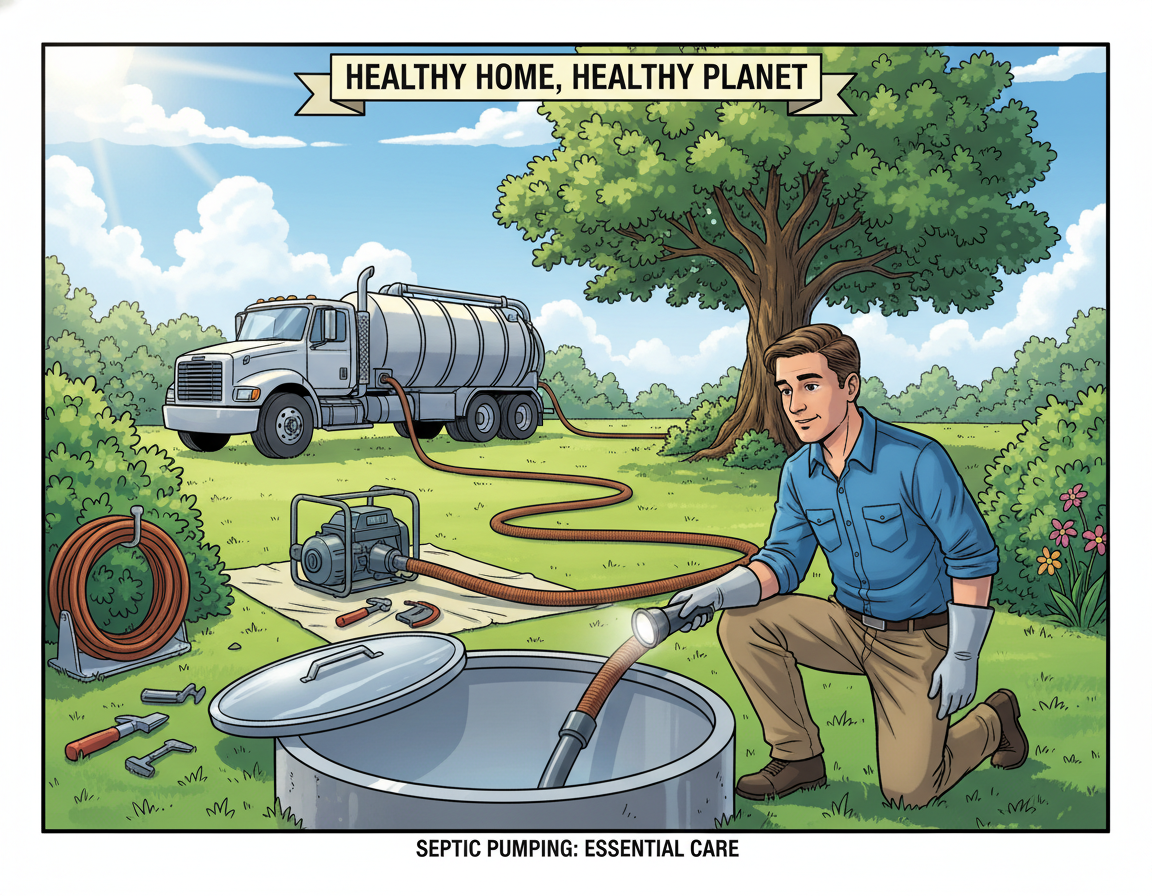
Creating a consistent pumping schedule is essential. The frequency depends on your household size, water usage, and the system’s capacity.
A good rule is to have your unit inspected and pumped every three to five years. Larger families or high water usage may require more frequent service.
Your daily habits play a huge role. Never flush items like wet wipes, grease, or harsh chemicals. These materials harm the natural bacteria that break down waste.
Spreading out laundry loads and avoiding long showers can prevent overloading the system. Managing water use helps it process waste efficiently.
Team up with Septic Services of LA for a customized care plan. They can set up recurring appointments to ensure you never miss vital maintenance.
Sticking with these steps can protect your investment for decades. Proper care avoids emergencies and costly repairs down the line.
DIY Steps For Septic Tank Troubleshooting
When household plumbing acts up, a step-by-step approach can help you tell if it’s a simple clog or something more serious. Always put safety first by keeping kids and pets away during checks.
Start by asking when your system was last serviced. If maintenance occurred within the past year or two, the issue is likely a clog rather than a full container.
Next, determine whether the slow drainage affects all drains or only certain fixtures. When every toilet and sink drains slowly, the blockage is probably in the main pipe from your house.
Common causes include items that shouldn’t be flushed, such as wet wipes and paper towels. If you can safely access the inlet opening, you may see a visible blockage that can be carefully nudged free with a long pole.
Remember that some components require professional attention. If you can’t pinpoint the issue, call Septic Services of LA for a professional diagnosis. Skip chemical drain cleaners that can damage the bacteria your system needs.
Knowing When To Call Septic Services Of LA
While some plumbing issues are manageable on your own, certain signs demand immediate expert intervention. Knowing when to switch from DIY troubleshooting to professional help protects your investment.
Small clogs in a single drain may be fixable by the homeowner. Still, most system problems require specialized knowledge to diagnose correctly and solve long-term.
| Problem Type | DIY Approach | Professional Needed |
|---|---|---|
| Single slow drain | Use a plunger or drain snake | If more than one fixture is affected |
| Unpleasant odors outdoors | Look for obvious visible issues | Right away—can signal system failure |
| Sewage backup in home | Immediately stop all water use | Emergency service needed |
| Water pooling in yard | Keep an eye on it | Yes—could indicate drain field failure |
| Well water contamination | Stop using water | Urgent professional assessment needed |
Emergencies require an immediate response from Septic Services of LA. These include sewage backing into your home or surfacing around the system area. Suspected structural damage also demands professional assessment.
A professional inspection can uncover issues that most homeowners won’t spot. Specialists use camera equipment to examine pipes and identify root infiltration or baffle failures. They also understand local regulations.
Getting expert help early helps prevent small issues from turning into big emergencies. Professional repairs protect your property value and avoid environmental hazards. This makes expert assistance a wise investment for long-term system health.
Preventive Measures To Help Avoid Septic System Failures
Staying proactive is your best protection against surprise wastewater system emergencies. Smart habits can significantly reduce the need for costly emergency calls. This approach is the most cost-effective way to protect this essential home system.
Stay aware of what you send down drains. Many common household products contain harsh chemicals. Bleach, strong detergents, and cleaners can harm the beneficial bacteria inside your tank.
While avoiding all chemicals isn’t practical, choosing septic-safe options helps. Also, be cautious with pharmaceuticals and excessive oils. These substances disrupt the natural breakdown process.
Control water use to prevent overloading the system. Spreading out laundry loads and fixing leaks are great steps. This gives bacteria enough time to process solid waste effectively.
Landscaping choices are crucial for system health. Keep trees with deep roots far away from your tank and drain field. Their roots can infiltrate and damage pipes and walls.
Instead, plant only grass or shallow-rooted plants over these areas. Do not use chemical root killers near the system because they also destroy essential bacteria. Avoid driving or parking heavy vehicles on the drain field.
These straightforward preventive measures protect your investment. They can extend the functional life of your system for thirty years or more. Consistent care ensures optimal performance and peace of mind.
Understanding Drain Field And Soil Impact
Soil beneath your yard plays a major role in how wastewater is treated. Your drain field contains perforated pipes that release treated liquid into the earth. This area allows natural filtration to complete the cleaning cycle.
Good soil functions as a natural purification system. It collects impurities from the effluent and neutralizes them safely. This process protects groundwater while providing nutrients for your grass.
Be alert for soggy, wet patches on the lawn surface. These indicate your system cannot process waste effectively. Excessive biomat buildup around pipes can block the entire drainage area.
Standing water after a heavy rain can be normal. Ongoing puddles can suggest soil compaction or unsuitable soil. Vehicle damage or ground movement may crush underground pipes.
Unusually vivid green grass over the field suggests nutrient leakage. This occurs when organic matter escapes containment. Algae blooms in nearby ponds may indicate nitrogen leaching.
Ground conditions change over years. Saturated soil might make original systems inadequate. Proper percolation testing before installation ensures appropriate soil capacity.
Drain field issues often require professional assessment from Septic Services of LA. Prevention through proper use is still your best strategy for long-term health.
Expert Tips For Managing Septic Tank Problems
Modern alarm systems can change how you manage underground treatment infrastructure. These devices notify homeowners when service is needed through audible alarms or visual indicators.
Installation is affordable and helps prevent the expensive fallout of missed maintenance schedules. Keep detailed records of all service dates and issues encountered over the years.
When buying a home with an existing setup, ask the previous owners for complete maintenance history. This helps you understand the system’s specific needs and anticipate future requirements.
| Maintenance Strategy | Frequency | Value |
|---|---|---|
| Professional inspection | Annually | High—helps prevent major repairs |
| Property walk-through | About every two weeks | Free – early detection |
| Keeping records | Ongoing habit | Essential for system life |
| Monitoring capacity | Day-to-day awareness | Key for preventing overload |
Walk your property regularly to spot soggy areas and detect unusual odors. Early detection is everything when it comes to avoiding expensive repairs.
Remember that your setup was designed for your home’s size and typical occupancy. Most systems handle about 50 gallons of waste daily. Partner with Septic Services of LA for personalized maintenance plans that maximize your system’s performance and longevity.
Conclusion
Owning a home with its own wastewater treatment setup comes with unique responsibilities. Even if septic tank problems feel overwhelming at first, understanding them helps you take quick, appropriate action.
Consistent maintenance is your strongest defense against many issues. Some situations require professional expertise to handle properly. The last thing any homeowner wants is effluent appearing where it shouldn’t.
Sticking to a maintenance schedule helps you stay ahead of potential problems. Professional inspections can uncover hidden issues that protect your investment and community health.
Septic Services of LA is your trusted partner for all system needs. Taking a proactive approach ensures your property remains safe and functional for years to come.
Call Septic Services of LA today for inspections or support. With consistent care and professional support, managing your system can stay low-stress.
Related: Choosing the Right Company for Septic Pumping Palmdale Services