
Have you heard that a ruptured pneumatic system can release force equivalent to a stick of dynamite? Numerous facilities continue to utilize piping systems built with hazardous substances, unaware of the dangers. This guide clarifies why protection needs to be paramount.
Buy Now Air Supply Line
Despite rising interest in particular plastics, OSHA firmly prohibits their use in surface installations. Eventually, exposure to lubricants and thermal fluctuations degrades them, causing disastrous ruptures. Even with “safe” pressure ratings, the threat of bursts remains high.
If you need trustworthy substitutes, Installation Parts Supply provides long-lasting answers like aluminum. Investing in proper supplies prevents expensive penalties and maintains factories protected. Let’s explore how to build a more secure system.
Key Takeaways
- OSHA prohibits specific plastics due to explosion risks.
- Pressure ratings fall as temps vary.
- Brittleness intensifies with age, raising failure risks.
- Aluminum piping provides a safer substitute.
- Proper investment avoids costly fines and accidents.
Why You Should Avoid PVC For Air Compressor Lines
Producers specifically warn against utilizing some plastics for high-pressure uses. Different from liquid systems, pressurized air holds volatile power—a burst pipe can unleash force comparable to dynamite. This makes component
selection crucial for safety.
- Fragility: Sub-freezing temperatures turn pipes fragile, raising shatter potential.
- Glue breakdowns: Joints weaken when exposed to lubricants or temperature swings.
- Inaccurate specs: Pressure capacity falls 50% at high temperatures—most shops go beyond this.
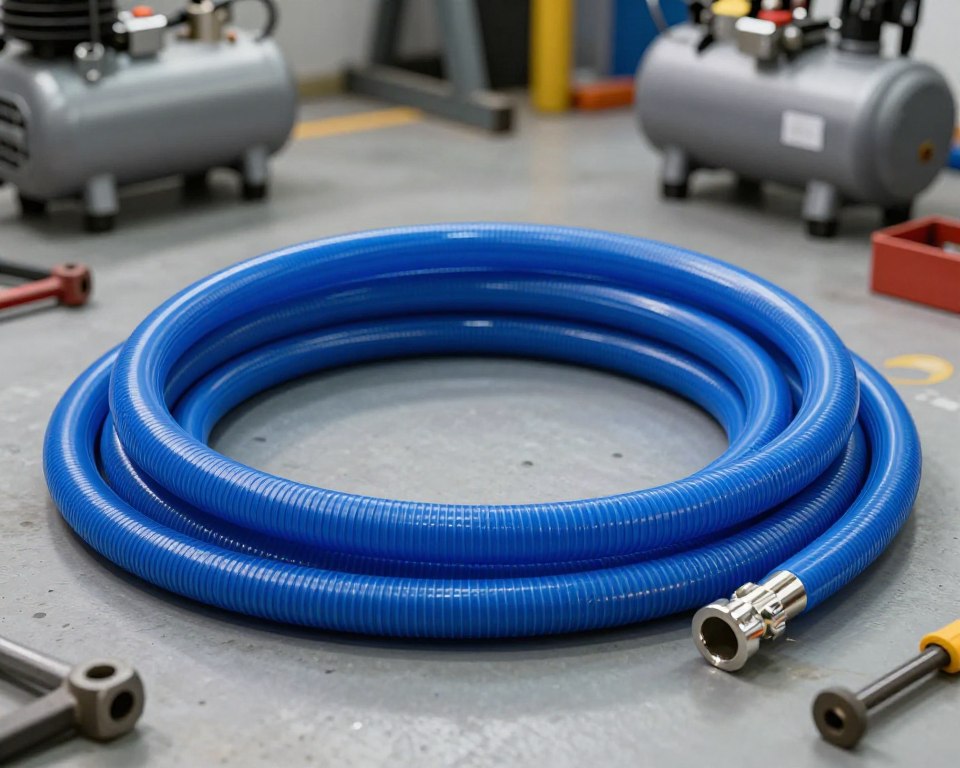
OSHA references a $110,000 fine after a facility’s system shattered, injuring workers. The “compression heat” additionally lowers safe operating limits, a factor often ignored in specs.
“Above-ground use of specific plastics for compressed air breaches safety regulations due to burst dangers.”
Metal alternatives break more predictably, warping rather than fragmenting. In contrast, plastic debris from explosive failures can travel more than fifty ft, embedding in structures or equipment.
Workshops encounter everyday thermal changes that accelerate material degradation. In a decade, UV exposure and chemical reactions further compromise integrity, turning minor leaks into major hazards.
Safe Alternatives To PVC Pipe For Air Compressor Lines
Aluminum pipe setups outperform traditional choices in terms of protection and performance. With significantly less leakage than black pipe, they are a top choice for modern buildings. Their lightweight design and corrosion resistance make them ideal for long-term use.
Aluminum modular systems reduce hours—no threading needed. Installation Parts Supply offers ready-made parts that connect easily. A Midwest car factory cut labor costs by forty percent after switching to this system.
- Copper: Ideal for cleanrooms because of anti-bacterial traits. Requires soldering expertise.
- Stainless Steel: Resists rust in damp locations like coastal workshops.
- ABS/HDPE: Chemical-resistant for labs and factories handling chemicals.
“Our aluminum retrofit reduced power loss by fifteen percent—covering costs in a year and a half.”
Tightness is key. Over-tightened joints break, while loose ones leak. Adhere to maker guidelines—usually 25 to 30 foot-pounds for aluminum joints.
In food processing settings, certified options guarantee clean air. Always align pipes to your facility’s needs.
Selecting The Best Pipe Material For Your Requirements
Picking the best material for your setup involves balancing price, protection, and performance. A local plant saved $12,000 annually by moving to sealed aluminum. Here’s how to take the correct decision.
| Type | Price Per Foot | Maintenance | ROI Time |
|---|---|---|---|
| Aluminium | $8.50 | Low | 1.5 Years |
| Black Pipe | 5.00 USD | High | N/A |
| Copper | 10.20 USD | Moderate | 24 months |
Heat is a factor. Aluminium withstands extreme temps, while polymers shatter below freezing. In areas with chemicals, steel repels corrosives.
Expert Tip: Compute ROI via CFM loss formulas. A 10% leak in a 50 horsepower setup burns $3,500 per year.
- Match pressure specs to your machine’s power.
- Verify safety standards for weld inspections and stress testing.
- Request a complimentary system audit from Installation Parts Supply.
“Our aluminum retrofit reduced wasted power by fifteen percent—breaking even in 18 months.”
DIY installations work for small shops, but pros guarantee leak-free joints. Always check warranty terms—some materials cover over a decade.
Summary
Picking the proper materials for your pneumatic setup isn’t just about price—it’s about protection. Research indicates most breakdowns happen in older systems, frequently with dangerous results. Aluminum provides 99.8% reliability, rendering it a wise long-term investment.
Main points:
- Steer clear of fragile plastics that shatter under pressure.
- Select rust-proof alloys like aluminium or steel.
- Non-compliant systems risk citations and insurance issues.
Prepared to improve? Installation Parts Supply provides fast estimates and limited-time discounts on introductory packages. Download our complimentary checklist or contact us for emergency replacements.
Dedicate yourself to better piping now—your team’s safety relies on it.